Preparing a Fabrication Company for a Major Industry Audit: Lessons from the Field
Ashish Singh

Preparing for a major industry audit is one of the most intense phases for any manufacturing company.
Especially in fabrication, where processes are complex, documentation is heavy, and traceability is critical — audits expose everything.
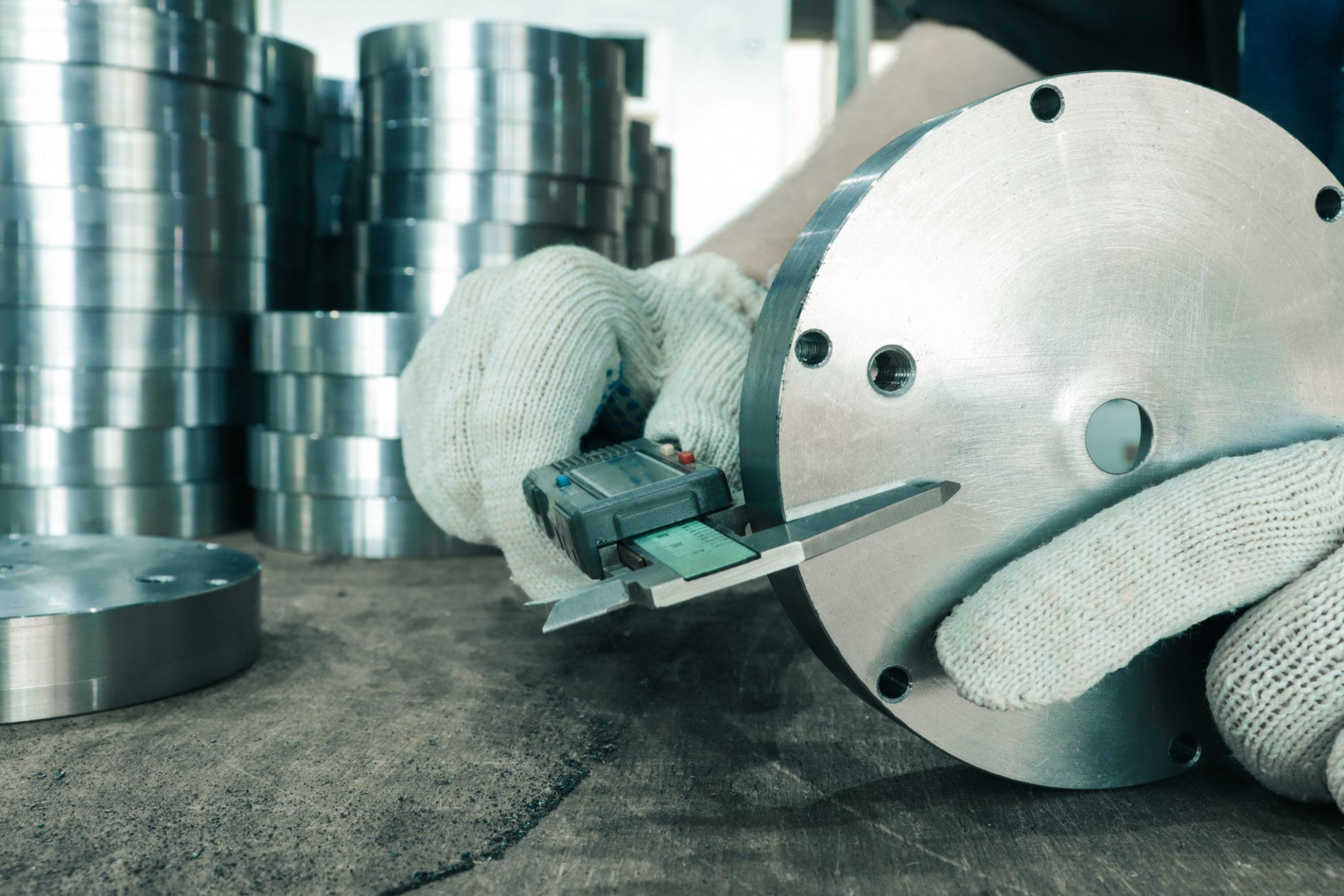
Recently, we worked closely with a fabrication company preparing for a major audit. What we observed wasn’t unique — but the lessons were powerful.
The Reality of Audit Preparation
On paper, most companies feel ready.
- Processes are defined
- Documents exist
- Teams are experienced
But when the audit approaches:
- Data is scattered
- Documents are hard to retrieve
- Traceability gaps start to appear
Poor document management alone can increase audit preparation time significantly and introduce compliance risks.
Audits don’t just test systems — they test how well those systems are followed.
Lesson 1: Documentation Must Be Structured, Not Stored
Most companies store documents.
Very few structure them.
In fabrication, this includes:
- Material Test Certificates (MTCs)
- Inspection reports
- Process sheets
- Supplier records
The challenge isn’t availability — it’s retrievability.
If it takes 10 minutes to find a document during an audit, it’s already a problem.
A centralized system ensures that every document is:
- Linked to the right job
- Version-controlled
- Instantly accessible
Lesson 2: Traceability Is Non-Negotiable
Auditors often ask a simple question:
“Can you trace this finished product back to its raw material and process steps?”
This requires:
- Batch-level tracking
- Supplier linkage
- Process-level records
Modern ERP systems enable this by connecting inventory, production, and quality data into a single traceable flow.
Without this, teams scramble — and confidence drops quickly.
Lesson 3: Systems Must Reflect Reality
One common issue we saw:
The system said one thing. The shop floor did another.
- Processes defined but not followed
- Workarounds outside the system
- Manual corrections after the fact
Audits expose these gaps immediately.
Even the best ERP system fails if it doesn’t match real workflows.
The goal is not to build a “perfect system” — but a usable one.
Lesson 4: Audits Are About Consistency
Auditors don’t just check if something was done once.
They check if it is done every time.
Key areas include:
- Quality checks
- Process adherence
- Approval workflows
- Record keeping
Strong quality control systems are directly linked to better compliance and operational performance in manufacturing.
Consistency builds trust.
Lesson 5: Preparation Starts Long Before the Audit
The biggest mistake companies make:
Treating audit preparation as a last-minute activity.
In reality, audit readiness is built over time through:
- Standardized processes
- Clean data practices
- System discipline
Operational audits today focus on areas like quality, inventory, maintenance, and traceability — all of which must be continuously maintained, not fixed at the last moment.
The Role of Systems Like Odoo
What made the biggest difference in this project was system alignment.
Using Odoo, we helped the company:
- Centralize documentation
- Link quality records with production
- Enable end-to-end traceability
- Standardize workflows across teams
Odoo’s integrated approach allows manufacturers to connect processes, data, and compliance requirements into a single system — making audits far more manageable.
From Stress to Confidence
At the start, the team was overwhelmed.
By the end:
- Documents were accessible
- Processes were aligned
- Traceability was clear
The audit became less about “surviving” — and more about demonstrating control.
Final Thoughts
Audits are not just compliance exercises.
They are a reflection of how well your organization operates.
If your systems are strong, audits become easy.
If they’re weak, audits expose everything.
For fabrication companies, the path is clear:
- Structure your data
- Align your processes
- Build traceability into your system
- Focus on consistency
Because in the end, audit readiness is not built in weeks.
It’s built into the way you work — every single day.
Preparing for an audit in your manufacturing business? Pinnakl Technologies can help you build systems that make audit readiness a natural outcome—not a last-minute scramble.